
Here’s How to Pick One That Actually Raises Money
Every successful fundraising appeal needs a hero. The right case study can move donors to tears — and open their wallets. The wrong case study? It can stall a whole campaign.
At Happy Fundraising, I work with charities across Australia and New Zealand to grow their digital fundraising. Again and again, I’ve seen that choosing the right person to tell your story is the difference between meeting your target… and falling short.
Let me introduce you to Kate — and show you exactly what makes a perfect case study partner.
Who Is Kate — and Why She Matters
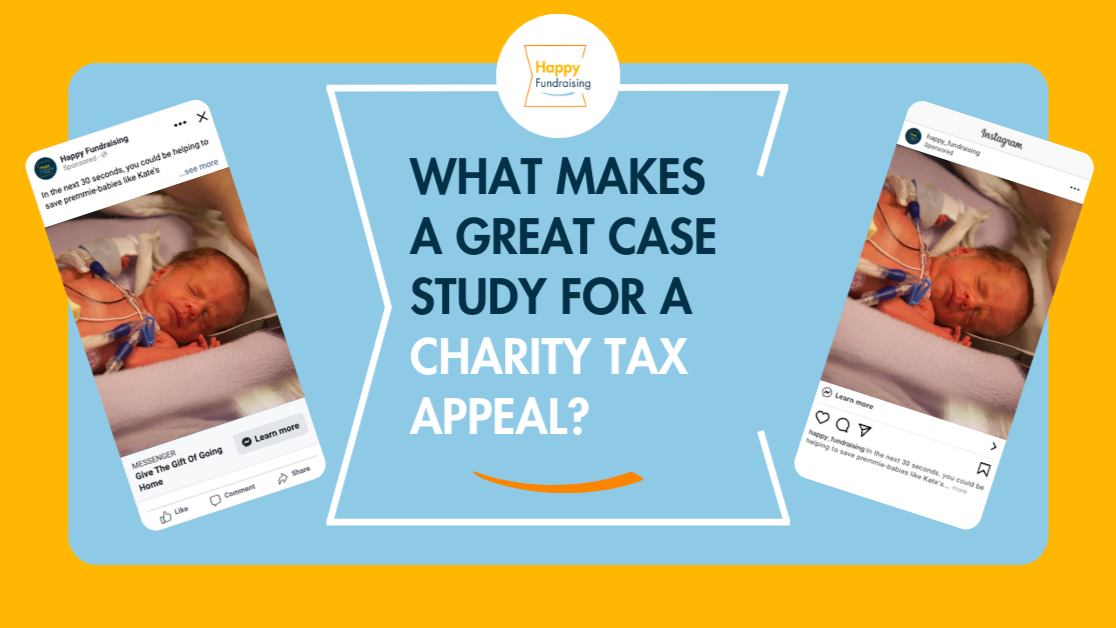
Kate is a first-time mum whose son arrived three months early and spent six intense weeks in my client’s newborn intensive care unit. When I asked her if she’d share her story for an end-of-year appeal, she agreed straight away. She wanted to thank the team that saved her baby — and help more families like hers.
1. Match the Story to Your Goal
Pick a story that directly shows what you’re asking donors to fund. For this appeal, we needed to show the difference donor-funded equipment and staff expertise made. Kate’s story showed it at every step — from the emergency arrival, to the long nights beside the incubator, to the first precious cuddle without wires.
2. Choose Someone Who Speaks from the Heart
Kate didn’t just retell events — she lived them in her words. She spoke about the moment she first saw her son hooked up to machines, and how it felt to wheel him down the corridor when they were finally discharged — nurses cheering them on. Emotion creates connection. You need someone willing to be real.
3. Find a Willing Collaborator
Kate made the campaign easy because she was proactive:
- She sent short WhatsApp videos and photos almost every day.
- She responded quickly to requests for interviews.
- She was open to suggestions about framing and lighting.
Having a partner like that means you aren’t scrambling for content at the last minute — you’re building your story in real time.
4. Frame the Narrative Around Donors
Every key moment in Kate’s story was linked back to the donor:
- “Your gift funded the incubator that kept him breathing.”
- “Your generosity paid for the nursing care that watched over him every hour.”
The donor isn’t a bystander — they’re the hero standing behind the story.
5. Use Real, Raw Visuals
We didn’t use glossy stock images. We used Kate’s genuine videos — her son’s tiny hand gripping her finger, his first feed without support, that emotional walk out of the hospital. Authentic visuals consistently outperformed staged ones, delivering 35% higher click-through rates on appeal emails.
6. Report Back and Say Thank You
After the campaign, I reported back to Kate with the results — and she was thrilled to know her story helped so many others. She even shared our thank-you update with her own networks, extending the reach of the campaign even further. When you treat your case study subject like a partner, not just a “story,” they become an ambassador for your cause.
Before You Pick Your Next Case Study, Remember:
✅ Match the story to your fundraising goal.
✅ Prioritise authenticity and emotion.
✅ Choose someone who can actively share strong visuals.
✅ Always centre the donor in the narrative.
✅ Lead with real moments, not staged perfection.
✅ Say thank you — and turn storytellers into advocates.
I’d love to hear from you — what’s been your biggest challenge finding the right case study for your appeals? Let’s swap ideas in the comments!
And if you want expert support crafting powerful fundraising campaigns that genuinely move donors, get in touch to find out how Happy Fundraising can help you grow your next campaign.